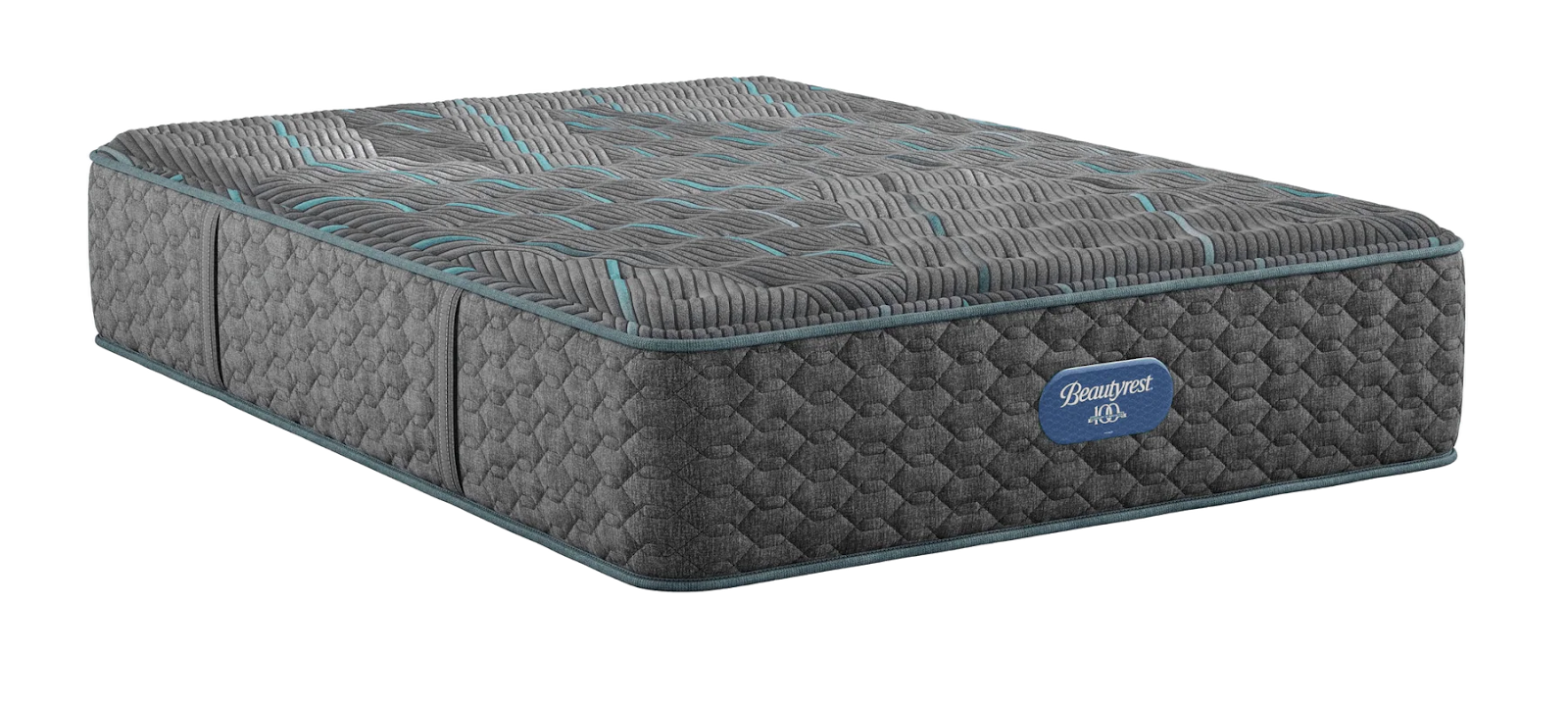
Box Springs & Platform Frames: Foundations For Your Mattress
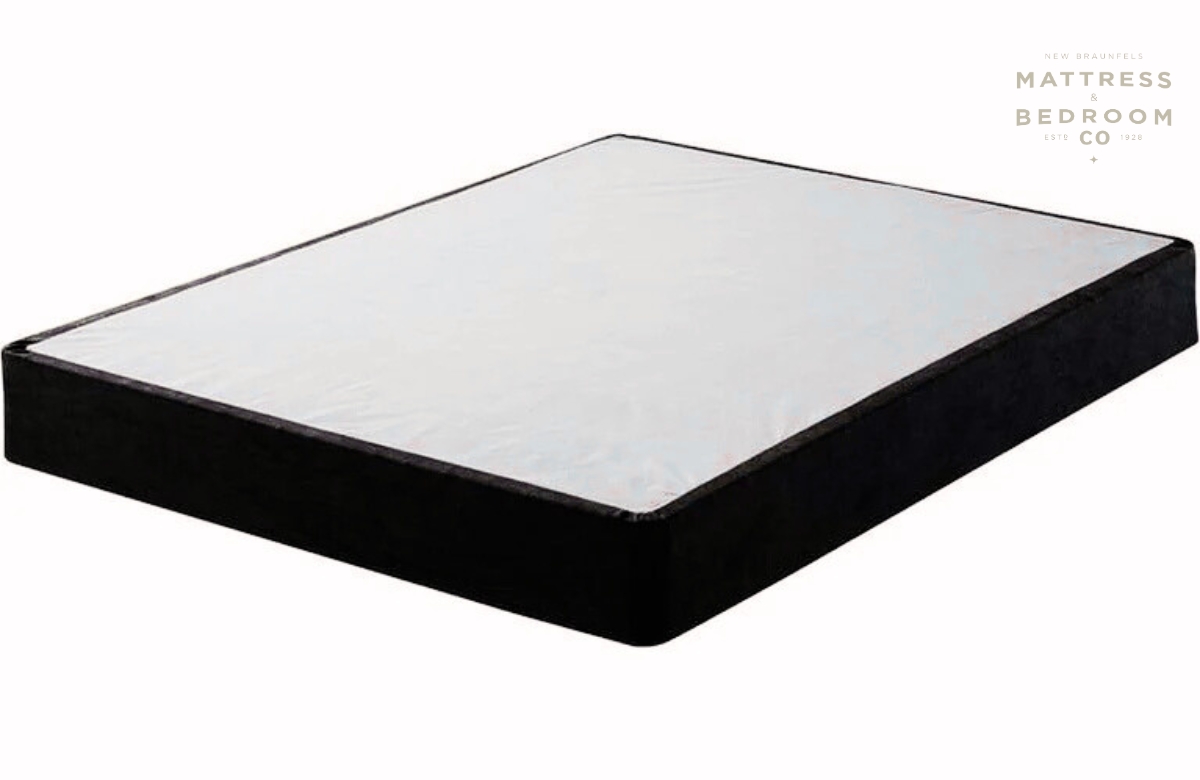
Today’s box springs come in versatile styles, standard for classic lift and support, low-profile for a modern, streamlined look, and split designs that make moving through narrow hallways a breeze, each designed for different needs. So, before buying, it’s important to learn about their weight limits and compatibility with different mattress types to guarantee steady reinforcement and long-term durability.
Apart from box springs, options like platform frames or adjustable beds are also available, making them ideal foundations depending on your mattress type or room setup.
To make things easier, we’ve put together a complete guide to help you compare your options and get your bed ready for maximum comfort. Continue reading to discover expert tips and simple steps that help you build a stable, supportive bedroom setup.
What Does a Box Spring Do?

1. Support and Weight Distribution
A box spring is a type of bed foundation consisting of a sturdy wooden frame covered in cloth and containing evenly spaced springs. The primary role of a box spring is to provide a firm, even foundation for the mattress. By distributing body weight evenly, it maintains proper mattress shape and prevents areas from sinking or losing support. The internal springs or reinforced framework absorb movement, which protects the mattress from daily wear and pressure. If you’re wondering, do you need a box spring? This is one of the key reasons to consider one.
2. Added Comfort
A box spring adds a gentle flex beneath the mattress, which can improve the feel of traditional innerspring beds. This slight give creates a balanced surface that combines firmness with a softer response, ideal for sleepers who prefer a little bounce rather than a completely rigid base.
3. Extra Height
A box spring raises the height of the mattress, making it easier to get in and out of bed. This added height can be especially useful for taller people or for individuals with mobility challenges. It also improves the overall aesthetics of the bedroom, giving the bed a more substantial and finished look.
4. Better Airflow
Good airflow is an important but often missed benefit of a box spring. Its open design lets air move under the mattress. This helps keep the temperature steady and stops moisture from collecting. Better ventilation prevents mold and mildew and keeps the mattress fresh for a longer time.
Buying Guide for the Right Box Spring

Here are several factors to consider before buying a box spring:
1. Size Compatibility
Always match the box spring to the size of your mattress. Standard sizes include Twin, Full, Queen, and King. Using a mismatched foundation can lead to uneven support, affecting sleep quality and potentially damaging the mattress.
2. Height Preference
Box springs come in different heights to match various mattress types and personal preferences.
Standard Height (around 9 inches)
This height offers a traditional bed setup and works well with most mattresses.
Low Profile (around 5 inches)
A low-profile box spring is ideal for thicker mattresses or for those who prefer a lower bed.
High Profile (12 inches or more)
A high-profile box spring creates a taller bed, which can help with easier access or provide a more elevated look.
3. Material Construction
Box springs are available in various materials and constructions, each with its advantages.
Metal Frames
Metal box springs are strong, durable, and long-lasting, made from steel, iron, or aluminum. They resist warping or squeaking over time, and are usually lighter and easier to assemble. Their modern design fits well in contemporary bedrooms, and they are suitable for both innerspring and hybrid mattresses.
Solid Foundations
Built from dense wood or engineered materials, solid foundations create a completely firm and even surface. They are ideal for foam or hybrid mattresses. Solid foundations prevent sagging and maintain mattress shape for a comfortable and healthy sleep.
4. Weight Capacity
Consider the weight capacity of the box spring. It should support both the mattress and all sleepers without risk of damage. Overloading a box spring can cause structural problems and sagging. Different box spring types have varying weight limits. Traditional wooden frames with springs may support standard loads, and metal frames handle heavier weights more effectively. Solid foundations provide the most stable support for heavier mattresses, including hybrids and memory foam models.
5. Warranty and Return Policy
Check the warranty and return policy before buying a box spring. Warranties show the expected durability and cover defects in materials or construction, usually for 5–10 years. Return policies allow exchanges or refunds if the box spring arrives damaged or doesn’t meet your needs. Review these policies to avoid potential issues and protect your investment in a quality foundation.
6. Special Features
Here are some smart features to consider:
Noise Reduction
High-quality box springs often include tightly secured joints and internal padding that absorb movement. This helps reduce creaking or squeaking when you move in bed, ensuring a quieter and more peaceful sleep.
Non-Slip Surfaces
Some box springs feature textured or rubberized top layers that grip the mattress. These surfaces keep the mattress in place and prevent it from sliding or shifting during use.
Easy Assembly
Some of them also come with pre-assembled parts. You can set up your bed quickly without tools or professional help and have a strong, stable foundation.
Look for these features to get a box spring that makes your bed more comfortable and hassle-free.
Have Questions? Talk to Our Sleep Experts Today!
Other Bed Base Alternatives to Box Springs
1. Platform Frames
Platform frames are among the most practical and versatile alternatives to box springs. They come with a built-in support system that evenly distributes mattress weight, making them suitable for any mattress type, including foam, latex, hybrid, and innerspring. We offer platform frame options such as:
High-Rise Metal Platform Frames
Our high-rise metal platform frames feature a fixed height, eliminating the need for a box spring or traditional bed frame and providing a simple, all-in-one mattress support solution. It offers 13 inches of clearance, creating up to 45 cubic feet of under-bed storage, perfect for bins, boxes, or seasonal items.
Adjustable–height Metal Platform Frame
These platform hd metal bed frames feature height-adjustable legs, allowing you to customize bed elevation for storage or comfort. It supports up to 2,000 pounds for heavy mattresses or multiple sleepers and includes a built-in mattress retainer bar to keep your mattress securely in place.
2. Adjustable Bases
Adjustable bases are designed to enhance your sleep experience by allowing you to customize the position of your bed. These adjustable bases can elevate your head, feet, or even lumbar region, making them perfect for reading, watching TV, relieving pressure points, or improving circulation. In our collection, we offer a range of adjustable bases -
-
Head-Only Adjustable Bases: These allow precise head elevation for better comfort and support, featuring a wired remote, foldable frame, and zero-clearance design.
-
Head & Foot Adjustable Bases: They provide full-body positioning by adjusting the head and feet, with a wireless remote, a Zero Gravity preset, one-touch flat, and adjustable legs.
-
Head, Foot & Lumbar Adjustable Bases: It offers advanced support with head, foot, and lumbar adjustments, plus massage, Sleeptracker-AI, USB charging, under-bed lighting, and multiple sleep modes.
Pairing the Box Spring With a Compatible Platform Bed & Mattress

Platform Beds
When pairing a box spring with a platform bed, consider the following:
Slat Spacing
Ensure slats are closely spaced, typically no more than 3 inches apart, to provide even support and prevent mattress sagging.
Fit and Dimensions
Confirm that the box spring fits securely within the platform bed frame to maintain stability.
Design Preferences
Some platform beds are meant to be used without a box spring for a cleaner, more modern look. Using a box spring in such cases may raise the bed excessively or alter the intended aesthetic.
Mattress Compatibility
Not all mattresses are designed to be used with a box spring. Here’s how different types pair with foundations:
Innerspring Mattresses
These benefit most from traditional box springs, as the springs in the base complement the mattress’s coil system, adding support and comfort.
Memory Foam & Latex Mattresses
These mattresses require solid or closely spaced slatted foundations for proper support. Using a box spring with these mattresses may lead to sagging and could void the manufacturer’s warranty.
Hybrid Mattresses
Combining foam and springs, hybrids can often work with either a box spring or a solid foundation. Always follow the manufacturer’s guidelines to maintain comfort and durability.
Ensuring Proper Alignment
When pairing a box spring with a mattress and bed frame:
-
Make sure the mattress aligns perfectly with the edges of the box spring. Overhang can cause uneven wear and reduced support.
-
Ensure the bed frame is designed to accommodate both the box spring and mattress. A mismatch can lead to instability and a poor sleep experience.
-
Consider mattress thickness and personal preference. Some sleepers prefer a taller bed, while others want a lower setup for easier access.
Conclusion
With this guide, you now understand what a box spring is and how to choose the right one. If you are still confused about making the right choice, New Braunfels Mattress Company can guide you in selecting the perfect combination of mattress and support system to ensure a restful, rejuvenating night’s sleep. Visit us today and let our sleep experts help you create the perfect bed setup for your comfort and style.